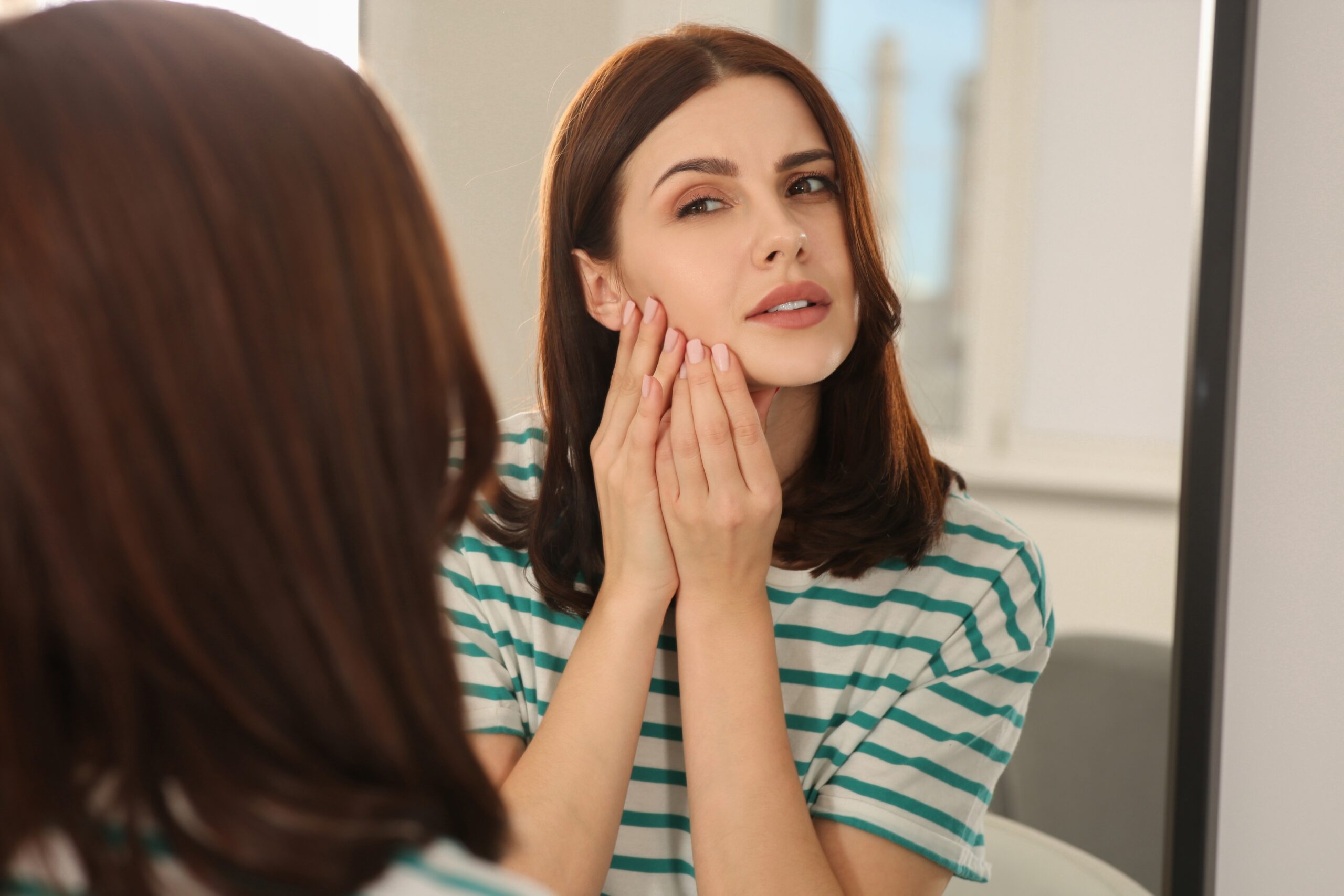
Have you ever noticed your skin suddenly breaking out, becoming oilier, or developing unexpected texture changes seemingly out of nowhere? These sudden shifts in your skin’s behavior often have a hormonal connection that many people don’t initially recognize.
Hormones act as powerful messengers throughout your body, and when they fluctuate, your skin is often one of the first places to show it. Keep reading to learn about the powerful relationship between your hormones and your skin’s appearance.
How Do Hormones Affect Your Skin?
Your hormones act as chemical messengers that travel through your bloodstream and communicate with various cells throughout your body, including those in your skin. These powerful substances regulate many of the functions that keep your skin healthy and balanced.
When it comes to skin health, hormones control three particularly important processes. First, they regulate how much sebum (oil) your skin produces, which directly affects whether your skin feels dry, balanced, or overly oily.
Second, hormones influence the rate at which your skin cells turn over and renew themselves. This affects your skin’s texture, tone, and overall appearance.
Finally, hormones play a significant role in inflammation levels throughout your body, including in your skin. When hormonal fluctuations occur, they can trigger inflammatory responses that show up as redness, sensitivity, or breakouts.
The Key Hormones Behind Your Skin’s Behavior
Several different hormones work together to influence your skin’s health and appearance.
Estrogen is often called the “beauty hormone” because it helps maintain skin thickness, moisture levels, and collagen production.
Progesterone tends to increase oil production, which is why many people notice their skin becoming greasier during certain times of the month.
Testosterone and other androgens are particularly influential when it comes to sebum production and can trigger acne when levels are elevated or fluctuating.
Cortisol, commonly known as the stress hormone, can wreak havoc on your skin when levels remain elevated for extended periods. It increases inflammation and can compromise your skin’s protective barrier.
Dr. Peterson Pierre, a board-certified dermatologist at Golden State Dermatology in Thousand Oaks, explains:
“Many patients are surprised to learn just how interconnected their hormonal health and skin appearance really are. We often see patients who have tried countless topical treatments without success, only to discover that addressing underlying hormonal imbalances was the missing piece of their skincare puzzle. Understanding which hormones are involved helps us create more targeted and effective treatment plans that address the root cause rather than just the surface symptoms.”
Thyroid hormones, though less commonly discussed in relation to skin, also play an important role. When thyroid function is off balance, skin can become unusually dry, puffy, or develop texture changes that don’t respond to typical moisturizing treatments.
What Are the Most Common Hormone-Related Skin Changes?
Hormonal fluctuations manifest in your skin in several recognizable ways.
Adult acne is one of the most common hormone-related skin concerns, appearing even in people who never struggled with breakouts during their teenage years.
Sudden changes in oil production are another telltale sign of hormonal shifts. You might notice your skin becoming significantly oilier or, conversely, unusually dry when hormones fluctuate.
Texture changes can develop when hormones affect your skin’s cell turnover rate. Your skin might feel rougher, look duller, or develop small bumps that weren’t there before.
Pigmentation issues, particularly melasma or dark patches on the face, often have hormonal triggers. These dark spots typically appear on the forehead, cheeks, or upper lip and can darken with sun exposure.
Some people experience increased skin sensitivity during hormonal shifts, finding that products they previously tolerated suddenly cause redness, stinging, or irritation. Redness and flushing can also intensify when hormones fluctuate, particularly during perimenopause and menopause.
The Pattern of Hormonal Breakouts
Hormonal acne has distinct characteristics that set it apart from other types of breakouts. The location is often the biggest clue as hormonal acne typically appears along the jawline, chin, and lower cheeks, forming what’s sometimes called the “hormonal beard” pattern.
The timing of these breakouts is another important indicator. If you notice that your skin breaks out around the same time each month, usually in the week before your period, this suggests a hormonal connection.
Lam Le, PA-C, a board-certified physician assistant at Golden State Dermatology in Brentwood, notes:
“Hormonal acne often presents as deeper, more inflamed lesions rather than surface-level whiteheads or blackheads. These cystic breakouts tend to be more painful and take longer to heal than other types of acne. They’re also notoriously resistant to over-the-counter treatments, which is why we often recommend medical intervention. The good news is that once we identify the hormonal component, we have several effective treatment options that can make a dramatic difference in both the frequency and severity of breakouts.”
The appearance of hormonal breakouts also differs from other acne types. They often manifest as deeper, under-the-skin bumps or cysts rather than surface pimples, and they tend to be more inflamed, red, and painful than typical breakouts.
The Stress-Skin Connection You Need to Know
Stress hormones, particularly cortisol, create a cascade of effects that directly impact your skin’s health and appearance. When you’re stressed, your body releases cortisol as part of its fight-or-flight response.
While this response is helpful in true emergencies, chronic stress keeps cortisol levels elevated for extended periods. This ongoing elevation triggers inflammation throughout your body, including in your skin.
High cortisol levels also signal your oil glands to produce more sebum, creating the perfect environment for acne-causing bacteria to thrive. Additionally, stress hormones can weaken your skin’s protective barrier, making it more vulnerable to irritation, dehydration, and environmental damage.
Many people notice that their skin issues worsen during particularly stressful periods at work, during major life changes, or when dealing with personal challenges. This isn’t coincidental – the stress-skin connection is very real and well-documented.
What Treatments Help With Hormone-Related Skin Issues?
Treatment for hormone-related skin problems often requires a multifaceted approach.
Topical treatments remain important and can include prescription-strength retinoids, which help regulate cell turnover and prevent clogged pores.
Medical-grade skincare products containing ingredients like salicylic acid, benzoyl peroxide, or azelaic acid can help manage oil production and reduce inflammation. However, these treatments work best when combined with approaches that address the hormonal component.
For many people, hormonal treatments provide the most significant improvement. Birth control pills can help regulate hormone fluctuations that trigger breakouts, while spironolactone, a medication that blocks androgen receptors, often proves effective for hormonal acne.
Lifestyle modifications also play an important role in managing hormone-related skin changes. Managing stress through exercise, meditation, or other relaxation techniques can help keep cortisol levels in check.
Professional treatments offered by your dermatologist can provide additional support. Chemical peels, laser treatments, or specialized facials can complement medical treatments and help improve skin texture and tone.
Taking Control of Your Skin Health
Rather than feeling frustrated by seemingly random skin problems, you can work with your dermatologist to identify hormonal triggers and develop targeted solutions. With the right combination of treatments and lifestyle modifications, most hormone-related skin concerns can be effectively managed.
If you have questions about your skin, schedule an appointment at The Center for Dermatology and Laser Surgery today!