
When your dermatologist performs a biopsy, the sample travels to a lab, where it’s examined under a microscope by a trained expert. In many cases, a dermatopathologist in routine practice or a general pathologist can review the sample and deliver a clear diagnosis. However, some skin conditions are tricky enough that they call for a second, more specialized set of eyes.
Keep reading to learn what dermatopathology is, why some cases are referred to a dermatopathologist with special expertise providing second opinions, and what this extra step means for your care.
What Is Dermatopathology?
Dermatopathology is a subspecialty that combines two fields, dermatology and pathology, into one focused discipline. Providers in this field study skin, hair, nail, and soft tissue samples to identify diseases ranging from common rashes to rare cancers.
Unlike general pathologists, who examine tissue from any organ system, dermatopathologists concentrate exclusively on cutaneous, oral, and soft tissue conditions. This narrow focus allows them to develop a deeper understanding of how skin diseases appear under the microscope.
What Happens After a Skin Biopsy Is Taken?
After your dermatologist or care provider removes a sample of skin tissue, it’s placed in a preservative solution and sent to a laboratory. There, the tissue is processed, separated into extremely thin sections, and mounted on glass slides for review.
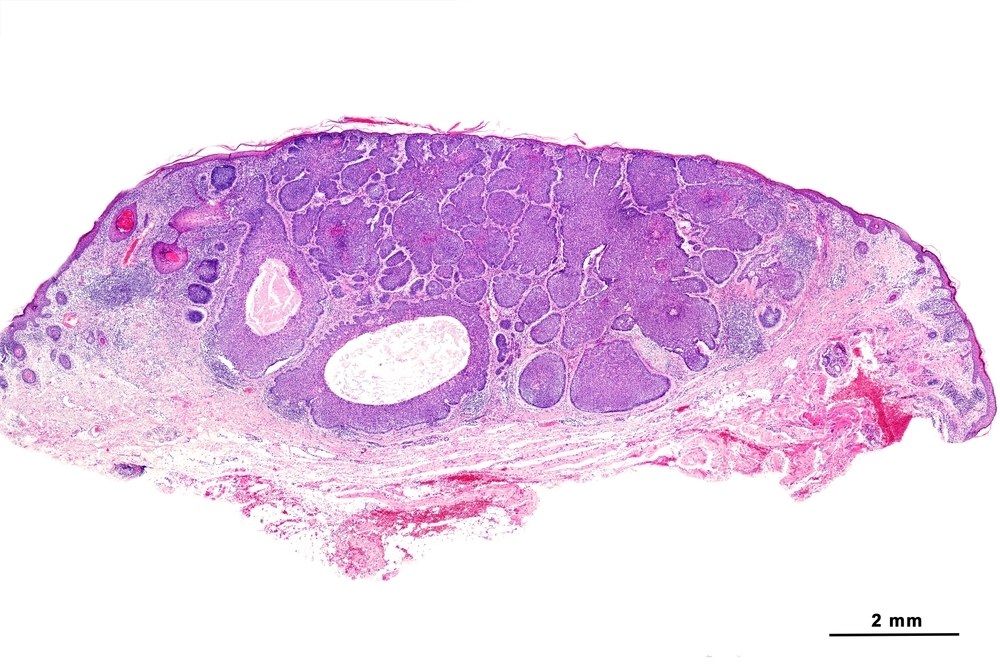
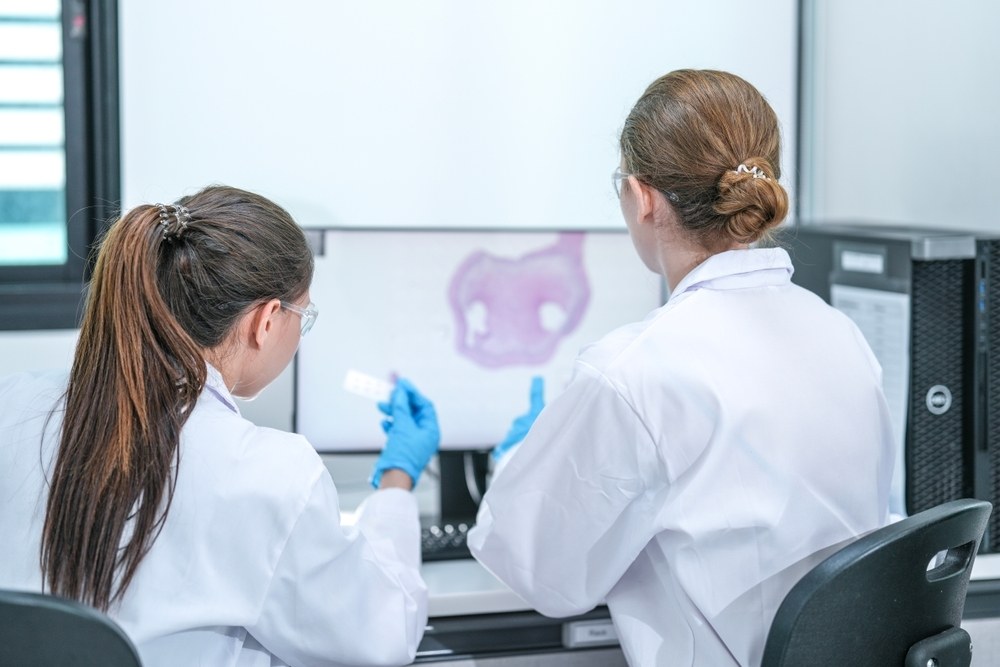
A dermatopathologist or pathologist then examines the slides under a microscope, looking for specific cellular patterns and structures. Slides can also be digitized using a high-resolution scanning system, which permits review at a computer. Once a diagnosis is reached, a report is sent back to your dermatologist, who uses it to guide your treatment plan.
This process typically takes anywhere from a few days to about two weeks, depending on the complexity of the case. More complicated samples, however, may require more time if additional review or specialized testing is needed.
Along the way, the lab may also apply special stains or additional testing to help clarify what’s being seen under the microscope. These extra steps aren’t unusual, and they’re simply part of making sure the final diagnosis is as thorough and accurate as possible.
What Makes Certain Pathology Cases More Complex?
Some skin samples show clear, textbook features that make diagnosis fairly straightforward. Others present overlapping characteristics that can make it difficult to distinguish between benign and malignant growths, even for experienced eyes.
Atypical moles, for example, can sometimes share visual traits with early melanoma, requiring careful, detailed analysis to tell them apart. Rare tumor types and unusual inflammatory patterns can also blur the lines between diagnoses, increasing the risk of a missed or incorrect result if a case isn’t handled carefully.
Certain skin cancers are also known for mimicking other, more benign conditions, at least on initial review. A general pathologist who doesn’t regularly see these specific presentations may reasonably want a second opinion from someone whose entire practice is centered on skin tissue.
Timothy McCalmont, MD, Consultant Dermatopathologist at Golden State Dermatopathology, explains why this level of scrutiny matters.
“Dermatopathology is often described as equal parts science and pattern recognition, and some cases simply have patterns that are harder to read than others. When a sample shows ambiguous features, it’s important to get input from someone who reviews these specific types of cases day in and day out. That additional layer of expertise can make the difference between a diagnosis that’s merely reasonable and one that’s truly accurate. All patients deserve that level of diligence, especially when the stakes involve something as serious as skin cancer.”
How Are Dermatopathologists Trained Differently?
Dermatopathologists typically complete a full residency in either dermatology or pathology before undergoing additional fellowship training focused specifically on skin disease. This fellowship usually lasts one to two years and involves reviewing thousands of skin biopsy cases under the guidance of experienced mentors. This focused training gives dermatopathologists a level of familiarity with skin conditions that general pathologists, who must stay knowledgeable across many organ systems, may not have the same opportunity to develop. As a result, they're often better equipped to catch subtle findings that could otherwise be overlooked.
What to Expect If Your Case Requires Specialized Review
If your dermatologist decides your case would benefit from specialized review or ancillary evaluation, they'll let you know as part of your care plan. Additional evaluation sometimes adds a few extra days to your results timeline, though the exact wait can vary depending on the case.
Here's what this process generally means for you:
- No extra action is needed on your part
- Your dermatologist stays involved and informed throughout
- Results are still communicated directly to you once finalized
Your care team manages the coordination behind the scenes, so this added layer of review shouldn't create any additional burden for you. The goal is simply to make sure the final diagnosis is as accurate and reliable as possible before moving forward with treatment.
Armaan Guraya, DO, a board-certified dermatologist at Golden State Dermatopathology in Studio City and Simi Valley, shares:
“Patients sometimes worry when they hear their case has been sent out for additional review, but I try to reframe that for them. Getting a second, specialized opinion is a sign of thoroughness, not uncertainty about their care. We want every patient to feel confident that their diagnosis reflects the most accurate read possible, and sometimes that means bringing in a colleague with more focused subspecialty training. It’s one of the many ways we build extra safeguards into the diagnostic process.”
Diagnostic Precision You Can Trust
At The Center for Dermatology and Laser Surgery, our providers prioritize precision. That commitment to getting things right supports better outcomes and greater peace of mind for every patient we see.
Whether your biopsy results come back quickly or require a more in depth evaluation, you can trust that the goal of The Center for Dermatology and Laser Surgery and Golden State Dermatopathology is always to provide an accurate diagnosis and a treatment plan tailored to your needs.
If you have questions about your skin, schedule an appointment at The Center for Dermatology and Laser Surgery today!